Retrofitting Automatic Doors in Older Buildings: What You Need to Know
This is a subtitle for your new post

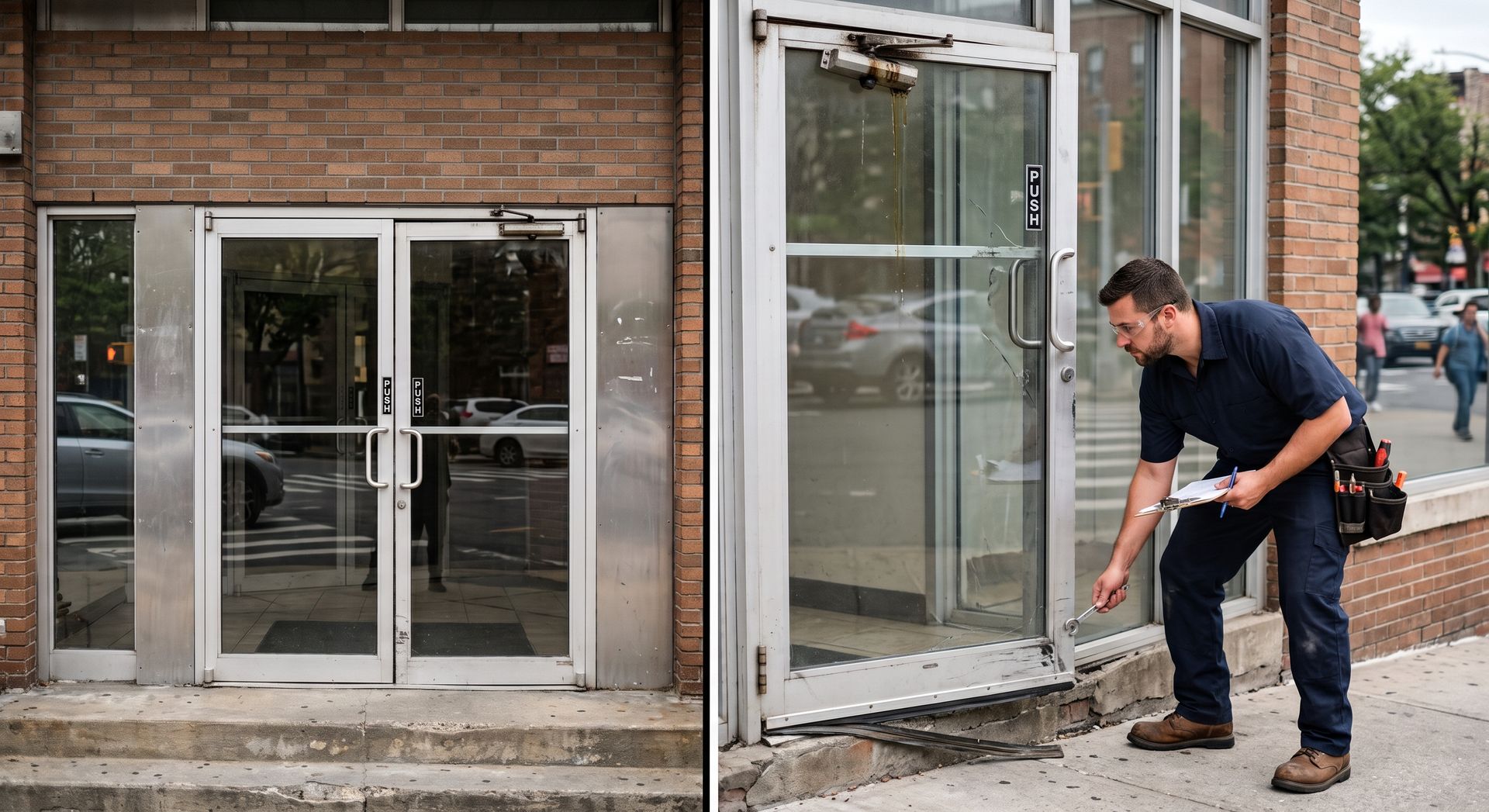
Yes—older commercial buildings can absolutely be retrofitted with automatic doors, and in many cases, they should be. Retrofitting improves accessibility, enhances safety, and helps bring properties up to modern ADA and building code standards.
Across New York City, Long Island, Westchester County, and Northern New Jersey, many older buildings still rely on outdated manual doors. Upgrading these systems not only improves user experience but also reduces liability and increases operational efficiency.
What Does Retrofitting Automatic Doors Mean?
Retrofitting involves upgrading an existing entrance system without completely rebuilding the structure.
Instead of starting from scratch, technicians modify or enhance:
- Existing door frames
- Entryway openings
- Hardware and control systems
This allows property owners to modernize their entrances while preserving the building’s original structure.
Why Retrofitting Is Important for Older Buildings
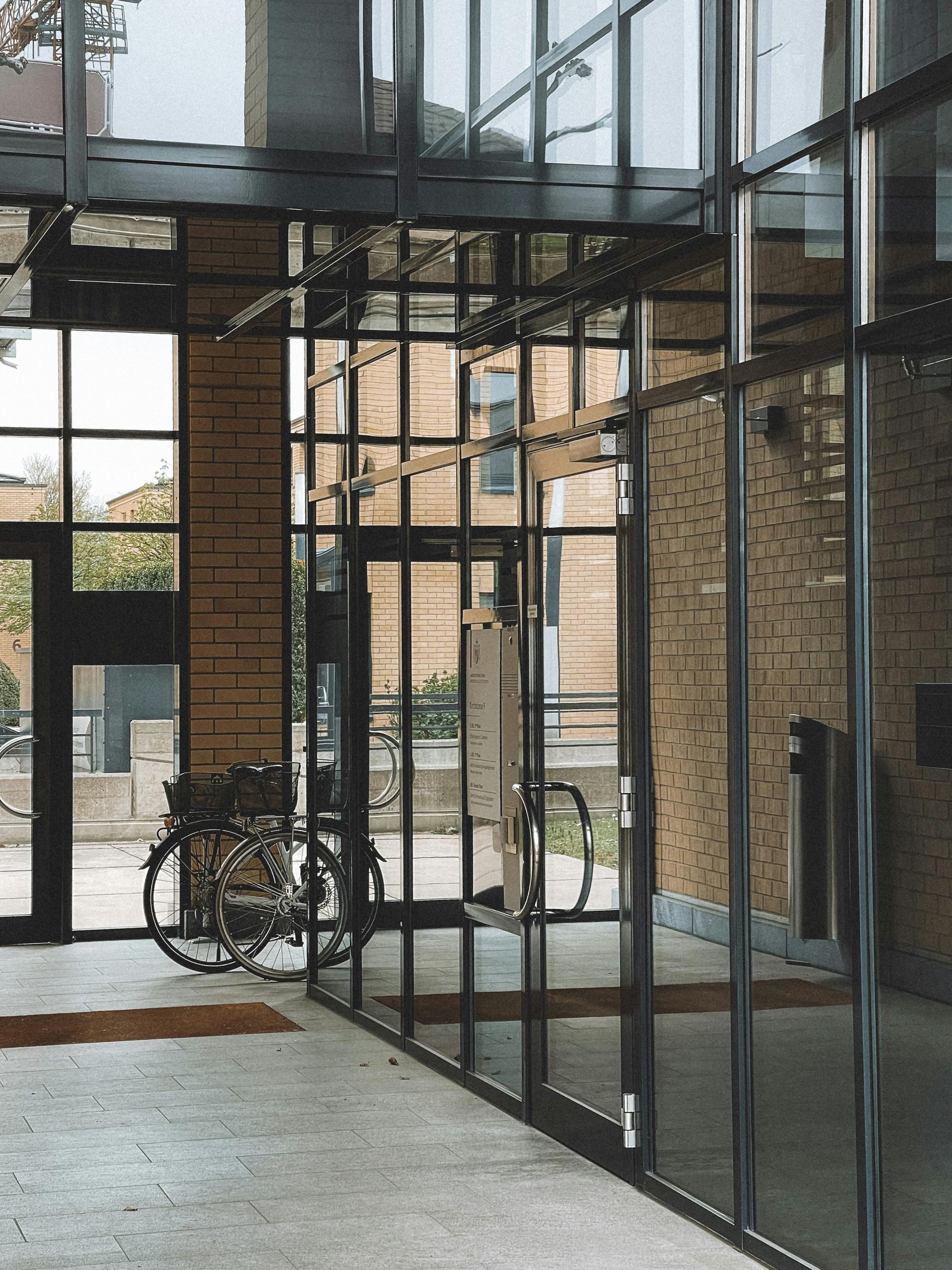
Older buildings were not designed with today’s accessibility and safety standards in mind.
Key Benefits of Retrofitting
- Improves ADA compliance
- Enhances accessibility for all users
- Increases safety with modern sensors
- Reduces wear from manual operation
- Upgrades the overall appearance of the building
In busy areas like NYC and Long Island, these upgrades can significantly improve how people interact with your space.
Common Challenges When Retrofitting Older Buildings
Retrofitting is highly effective—but it does come with challenges that require expert planning.
1. Structural Limitations
Older buildings may have:
- Narrow entryways
- Non-standard dimensions
- Load-bearing constraints
2. Electrical Integration
Automatic doors require power and control systems, which may not exist in older properties.
3. Code Compliance
Upgrades must meet:
- ADA accessibility requirements
- Fire safety codes
- Local building regulations
4. Aesthetic Considerations
Maintaining the original look of historic buildings can be a priority—especially in NYC.
Types of Automatic Door Retrofits
Not every building requires the same solution.
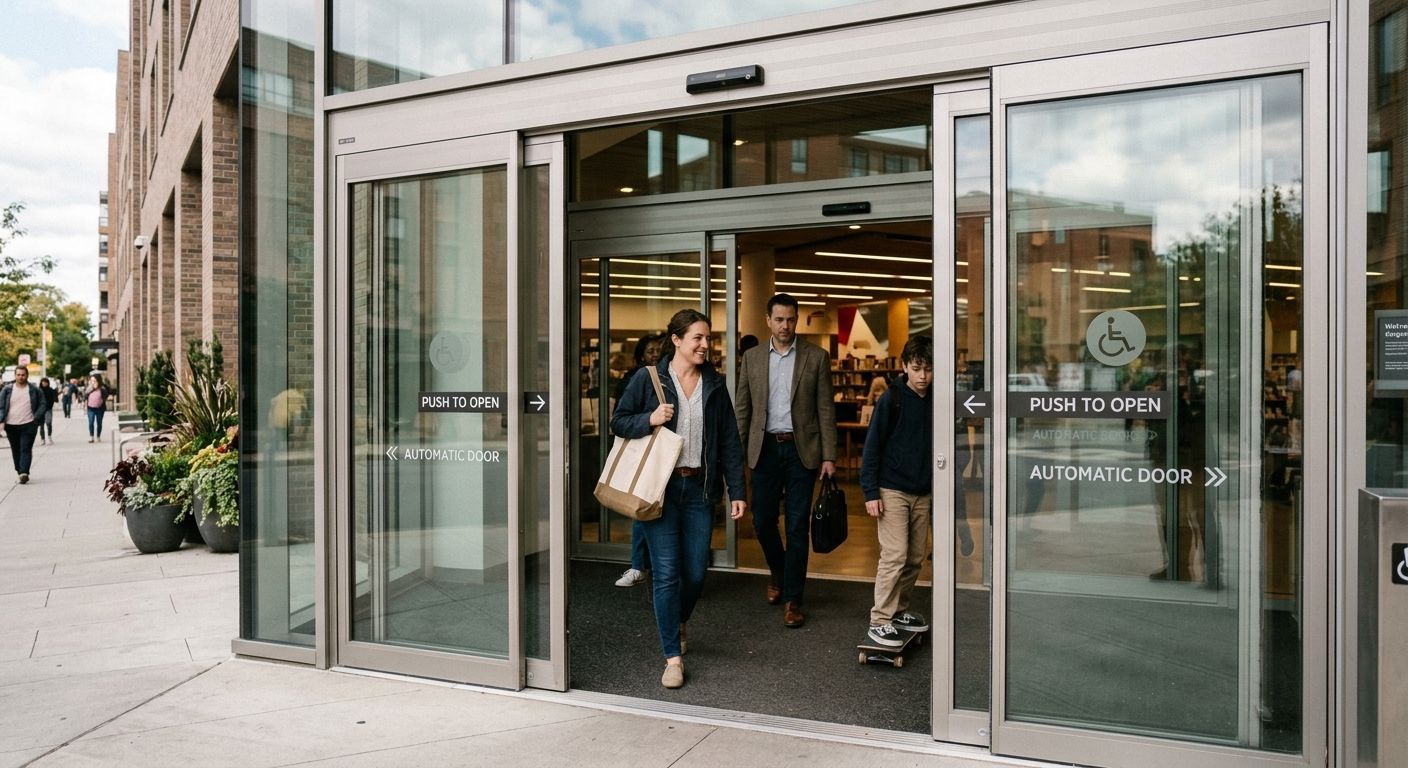
Automatic Sliding Doors
- Ideal for wide entrances
- Common in retail and healthcare settings
Automatic Swing Door Operators
- Added to existing hinged doors
- Cost-effective retrofit option
Low-Energy Operators
- Designed for ADA compliance
- Suitable for smaller buildings or offices
Touchless Entry Systems
- Activated by motion sensors
- Increasingly popular in post-pandemic environments
The Retrofitting Process: Step-by-Step
Step 1: Site Evaluation
Technicians assess:
- Entryway structure
- Available space
- Electrical requirements
- Compliance needs
Step 2: System Selection
The best retrofit solution is chosen based on:
- Building type
- Traffic volume
- Accessibility requirements
Step 3: Preparation
This may include:
- Minor structural adjustments
- Electrical setup
- Reinforcement of existing frames
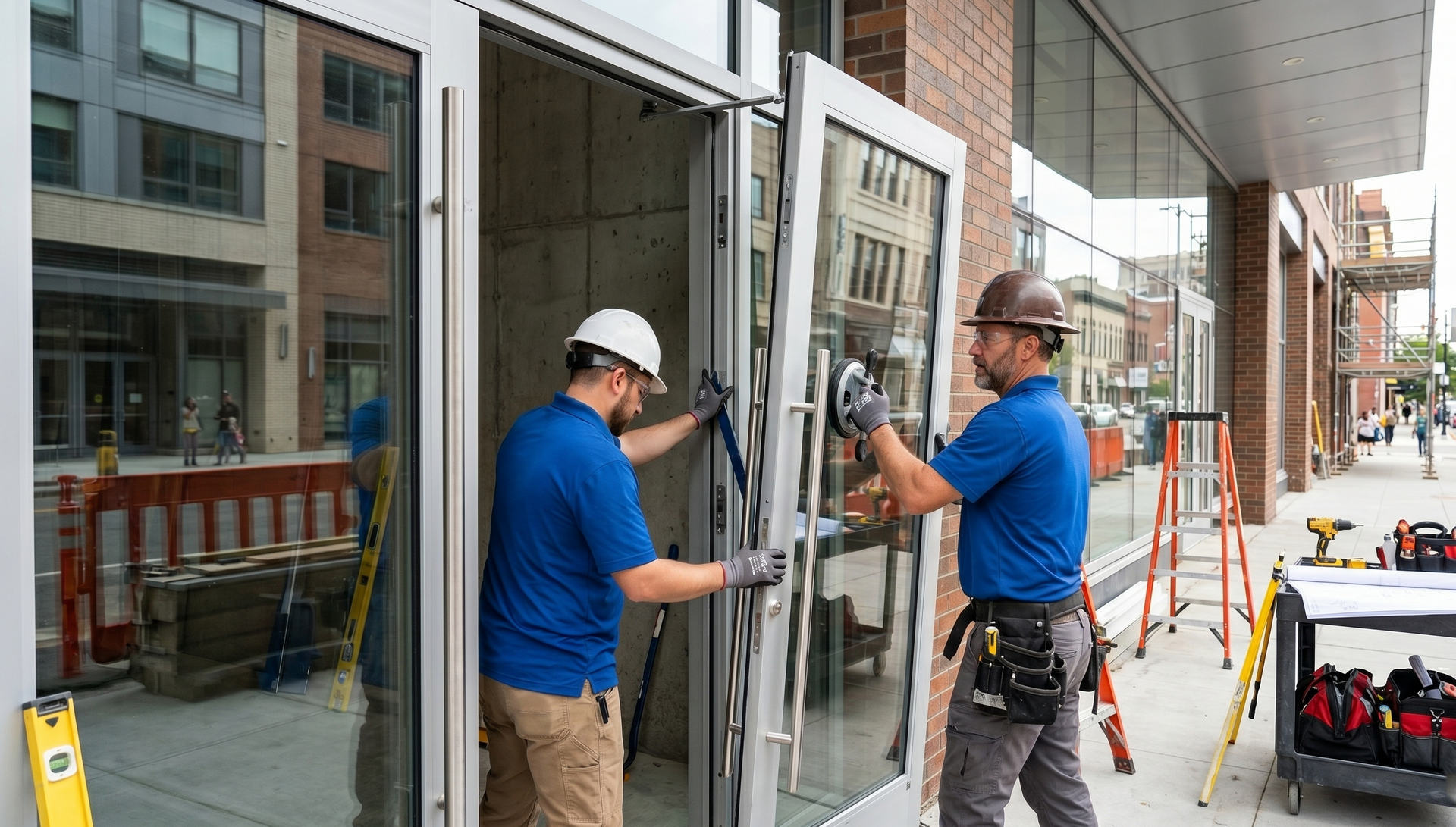
Step 4: Installation
Automatic operators, sensors, and controls are installed and integrated.
Step 5: Testing and Compliance Check
The system is tested to ensure:
- Smooth operation
- Proper sensor response
- ADA and safety compliance
ADA Compliance and Retrofitting
Retrofitting is one of the most effective ways to bring older buildings into compliance.
Key ADA Improvements
- Reduced opening force
- Hands-free operation
- Proper door timing and clearance
- Improved accessibility for mobility devices
Learn more about
ADA Guidelines.
When Retrofitting Makes More Sense
Retrofitting is often the best option when:
- The building structure is still sound
- The existing doors are functional but outdated
- Full replacement would be too disruptive
- You want to preserve architectural elements
However, if the door system is severely damaged, commercial door installation may be necessary.
Best Practices for a Successful Retrofit
Work With Experienced Professionals
Retrofitting requires specialized knowledge of both old and modern systems.
Plan for Compliance Early
Ensure ADA and fire code requirements are addressed from the start.
Choose Scalable Solutions
Select systems that can be upgraded or expanded in the future.
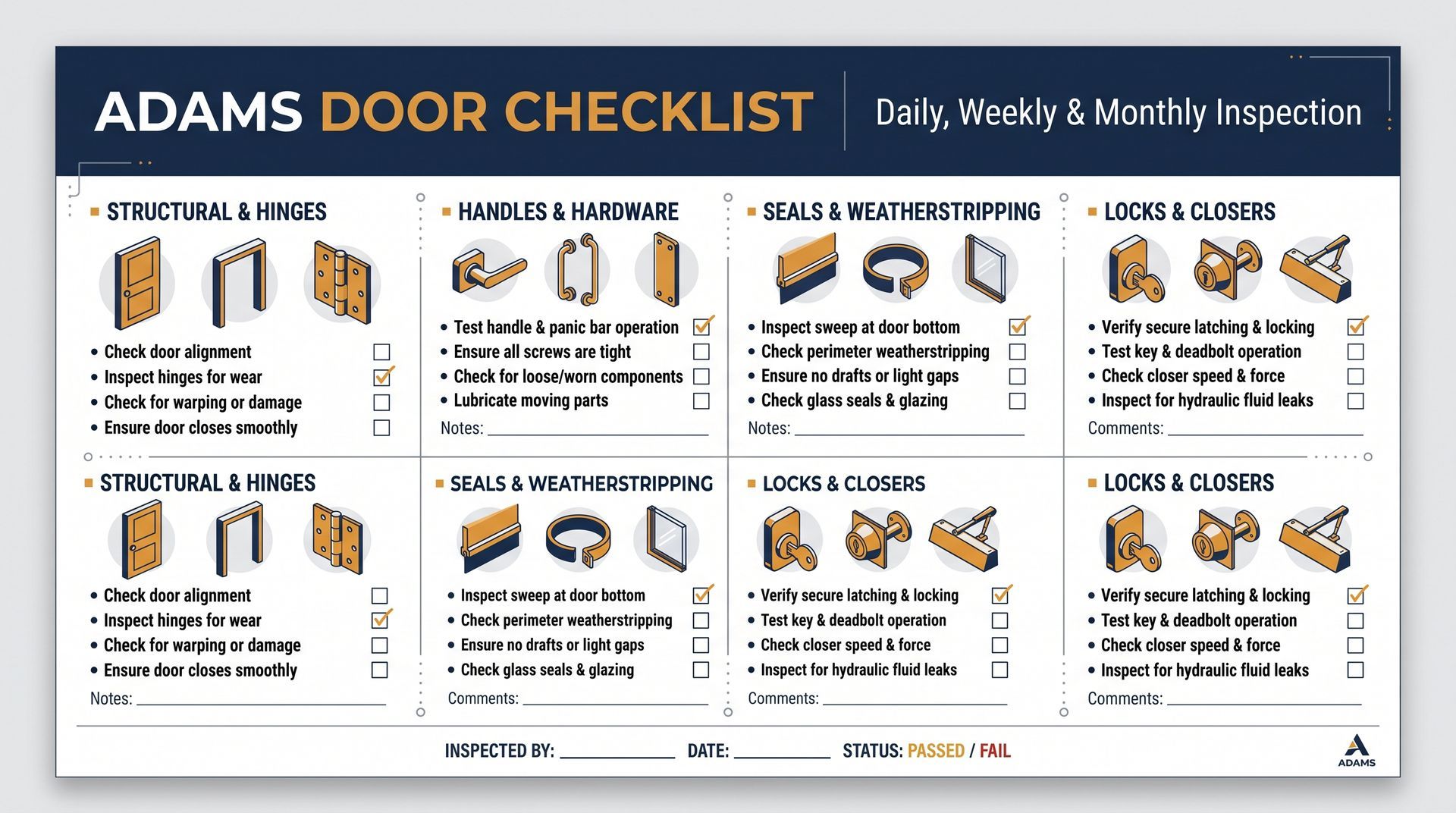
Schedule Regular Maintenance
Retrofitted systems still require ongoing care:
[Preventative Maintenance Programs – https://www.archentsys.com/preventative-maintenance]
Local Insight: Retrofitting in NYC, Long Island & NJ
Older buildings are common throughout the region.
- New York City: Historic buildings with strict renovation guidelines
- Long Island: Aging retail and commercial properties
- Westchester County: Office buildings requiring modernization
- Northern New Jersey: Mixed-use and industrial facilities
Retrofitting allows these properties to meet modern standards without full reconstruction.
FAQs About Retrofitting Automatic Doors
Can all older buildings be retrofitted?
Most can, but structural limitations may affect the approach.
Is retrofitting disruptive to operations?
Minimal disruption is possible with proper planning.
Do retrofitted doors meet ADA standards?
Yes, when installed correctly.
What is the most common retrofit solution?
Automatic swing door operators are widely used.
Do retrofitted systems require maintenance?
Yes, regular servicing ensures long-term performance.
Call to Action: Modernize Your Building Without Rebuilding
If your building has outdated doors, retrofitting is a smart and efficient upgrade.
Architectural Entrance Systems, Inc serves:
- New York City
- Long Island
- Westchester County
- Northern New Jersey
Call: (516) 825-0346
Email: info@archentsys.com
Upgrade your entrances with modern, compliant automatic door systems—without starting from scratch.
Recent Posts